Summary
- Chicago Public Schools and the Chicago Teachers Union have designated May 1, 2026, as a district-wide “Day of Civic Action” while keeping classes in session.
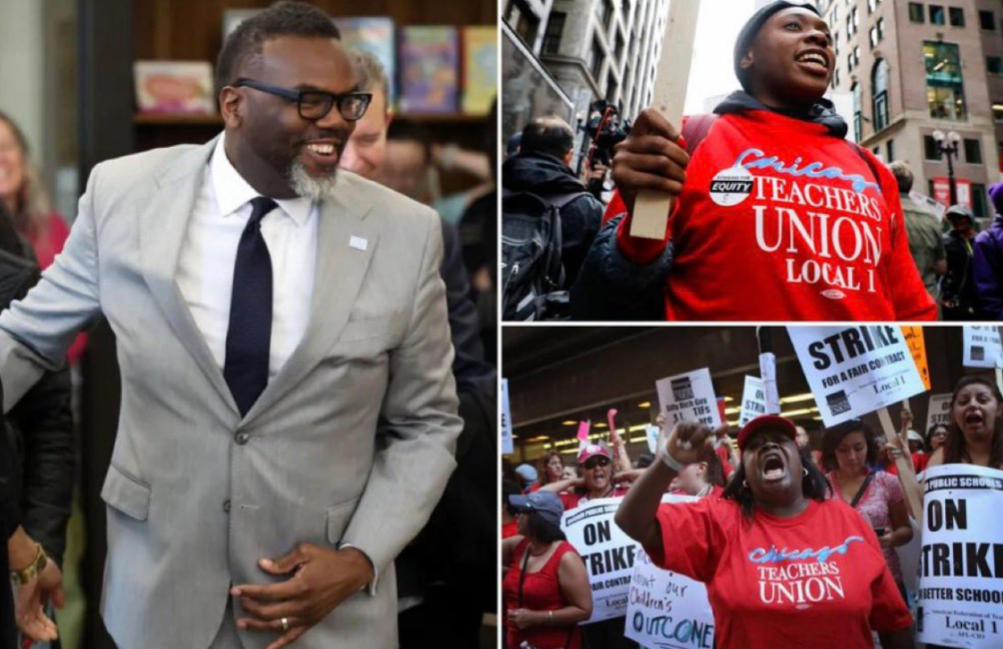
- Morning lessons focus on civic engagement; afternoon buses and bag lunches will transport students from up to 100 schools to a pro-labor, anti-Trump rally.
- Critics say the move uses taxpayer dollars to prioritize political activism over core academics in a district with persistently low test scores.
What Happened
On April 17, 2026, Chicago Public Schools (CPS) and the Chicago Teachers Union (CTU) reached a compromise agreement designating May 1 — known as May Day or International Workers’ Day — as an official “day of civic action” and “district wide civic engagement.”
Schools will remain open for a full day of classes. However, between roughly 9 a.m. and noon, many classrooms will hold specially prepared civic lessons. In the afternoon, CPS will provide buses and bag lunches for students from approximately 100 schools to attend a large May Day rally at Union Park. The event is described by organizers as a pro-labor demonstration focused on “defense of public education” and opposition to policies associated with the current White House.
The CTU had originally pushed for a full cancellation of classes so students and staff could participate without conflict. CPS CEO Macquline King resisted a complete shutdown, citing the importance of instructional time. The final agreement allows participation via organized field trips while technically keeping the school day intact.
Why It Matters
Chicago taxpayers fund one of the nation’s largest and most expensive school districts, yet CPS students consistently rank near the bottom in reading and math proficiency. Diverting class time, buses, and staff resources to facilitate a political rally raises questions about priorities: education versus activism.
Parents who expect schools to focus on academics may see this as an inappropriate use of public funds and school hours for partisan causes. The arrangement also sets a precedent that could encourage similar “civic action” days in the future, potentially pulling students away from core learning for political expression. While civic education is valuable, critics argue that organized transport to a specific rally crosses into advocacy rather than neutral instruction.c61956
The Bigger Picture
May Day has long been associated with labor movements and, in some contexts, leftist political organizing. Chicago’s arrangement fits a broader pattern seen in certain Democrat-led cities where teachers’ unions and school districts have increasingly incorporated activism into the school day.
Similar efforts have appeared in other districts, often framed as “civic engagement” but criticized as one-sided political training. Chicago’s chronically low academic performance — despite high per-pupil spending — makes the timing especially notable to observers who argue resources should go toward fundamentals rather than rallies. The compromise keeps schools technically open while still enabling mass student participation, which some view as a creative workaround that still prioritizes protest over instruction.
This development comes amid ongoing national debates about the proper role of K-12 education: preparing students for careers and citizenship, or shaping them into activists for specific causes.
Sources
New York Post / Fox News report on CPS “Day of Civil Action”: https://nypost.com/2026/04/20/us-news/chicago-public-schools-declare-may-1-a-day-of-civil-action-for-students/
Chicago Sun-Times coverage of CPS-CTU agreement: https://chicago.suntimes.com/education/2026/04/17/cps-will-be-in-session-on-may-1-but-agreement-with-ctu-encourages-students-to-attend-afternoon-rally
WBEZ / NPR Chicago on the full-day session and rally transport: https://www.wbez.org/education/2026/04/17/cps-will-be-in-session-on-may-1-but-agreement-with-ctu-encourages-students-to-attend-afternoon-rally
CTU May Day plan details: https://www.ctulocal1.org/posts/may-day-heres-the-plan/

